
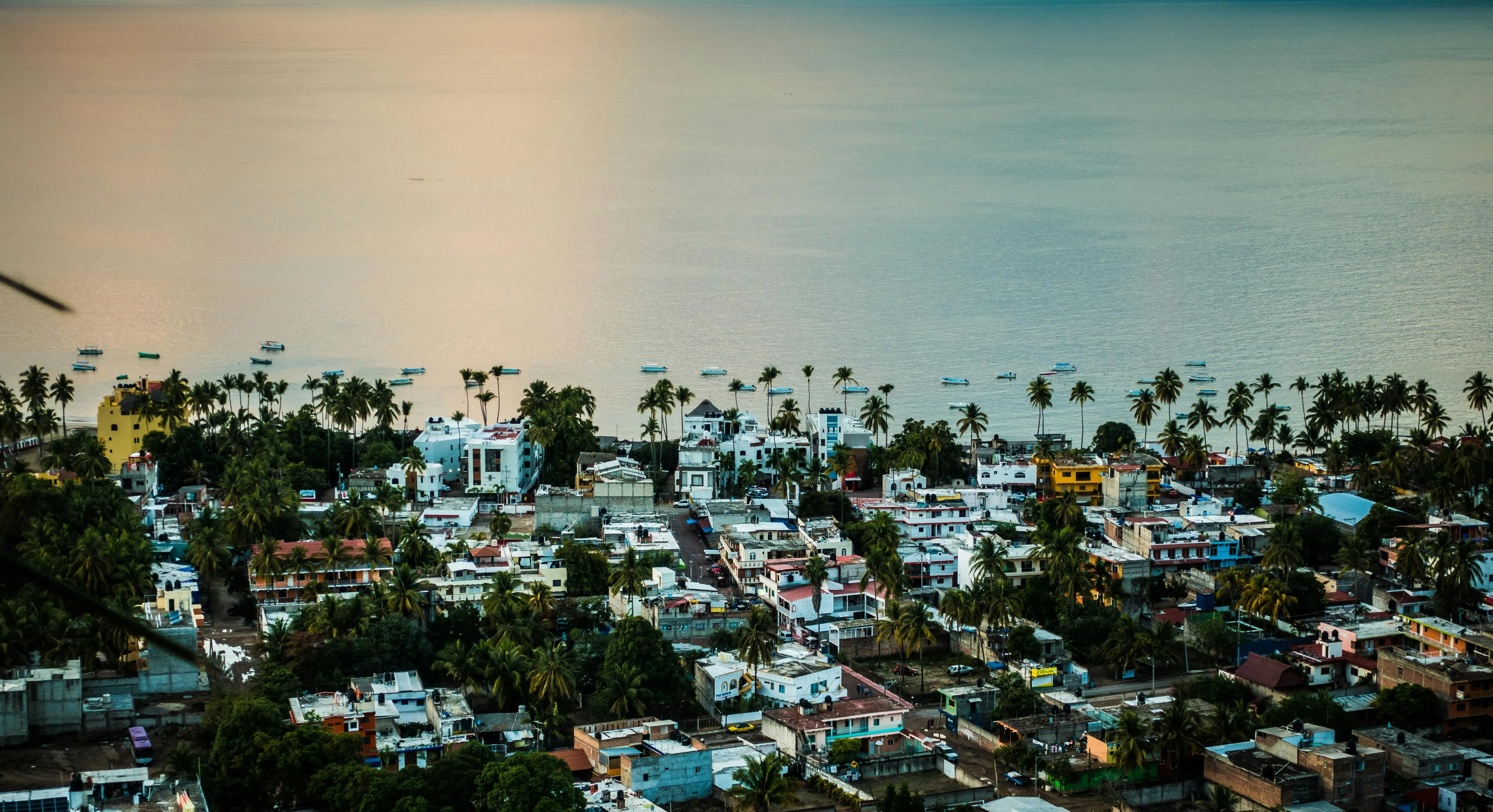
Mexico
Mexico offers Americans a practical option for dual citizenship, with over 1.5 million U.S. citizens already calling it their new home. Its close proximity, 50 to 70% lower cost of living, and relatively relaxed eligibility requirements for citizenship by descent make it an attractive option based purely on pragmatism, though it has plenty to offer beyond that. The country's diverse geography spans beaches, temperate mountain regions, and modern cities, allowing citizens to choose from year-round 70°F weather in highland towns to tropical coastal living.
Daily life in Mexico centers around strong community bonds, where relationships infuse everything from business dealings to neighborhood gatherings. In cities like Mexico City, Guadalajara, and Monterrey, you'll find sophisticated urban environments with thriving arts scenes and innovative business hubs. Meanwhile, smaller colonial towns like San Miguel de Allende, Mérida, and Oaxaca offer a more relaxed pace with walkable historic centers.
Ancestry
Any one of the following establishes a qualifying connection to Mexican citizenship.
Qualifying Relative
- Parent
- Grandparent
- A great-grandparent or more distant ancestor, with an unbroken chain of documentation
Special Cases
- If your parent naturalized as Mexican after your birth, you may still qualify.
- Children adopted by Mexican citizens may qualify.
Disqualifications
- A serious criminal record.
- If any direct ancestor formally renounced their Mexican citizenship, the chain breaks there.
Golden Visas
A Golden Visa is a program where an investment in real estate, a government fund, a business, or a direct donation earns you a residency permit, the right to live in, and often travel visa-free around, the country. Citizenship isn't automatic, but can follow after meeting certain time and residency requirements.
Learn how Golden Visas work in other countries.Mexico's Investment Pathway
- Real estate valued at roughly $213,000 USD or more.
- Financial solvency: monthly income around $2,700 USD, or savings of $45,000 USD.
Digital Nomad Visas
Digital nomad visas are government programs that let you live abroad while continuing your remote job back home, typically for six months to a few years, in exchange for proof of remote income and health insurance.
See which countries have a dedicated Digital Nomad Visa.Mexico's Status
Other Options
For those without Mexican ancestry, the Temporary Resident visa, obtainable through economic solvency, family ties, or investment, converts to Permanent Resident status after four years, or sooner for certain categories.
Path to Citizenship
Establish your path to Mexico.
Life as a Mexican National
Settling into Mexican life as a citizen transforms everyday experiences into opportunities for deeper cultural connection. Neighborhood panaderías, tortillerías, and vibrant local markets make fresh bread, tortillas, and seasonal produce readily available at a fraction of U.S. prices. The relaxed approach to time management, where relationships take precedence over rigid schedules, initially requires adjustment but ultimately leads to reduced stress and more meaningful interactions.
Mexico's healthcare system offers excellent value, with world-class private hospitals in major cities charging 50 to 70% less than U.S. equivalents. Many physicians received training in the U.S. or Europe and speak fluent English. Housing options span from colonial homes with interior courtyards to modern condominiums, but at significantly lower price points. Outside major tourist destinations, a comfortable three-bedroom home might cost $150,000 to 250,000 to purchase or $800 to 1,500 monthly to rent.
Transportation networks vary by region, with major cities offering extensive public transit systems while smaller towns remain easily navigable on foot. The mild climate in central highlands regions provides year-round comfort without heating or air conditioning, while coastal areas offer beachfront living with eternal summer. For families, private education options deliver international curricula at approximately one-third the cost of U.S. private schools.