
New Zealand
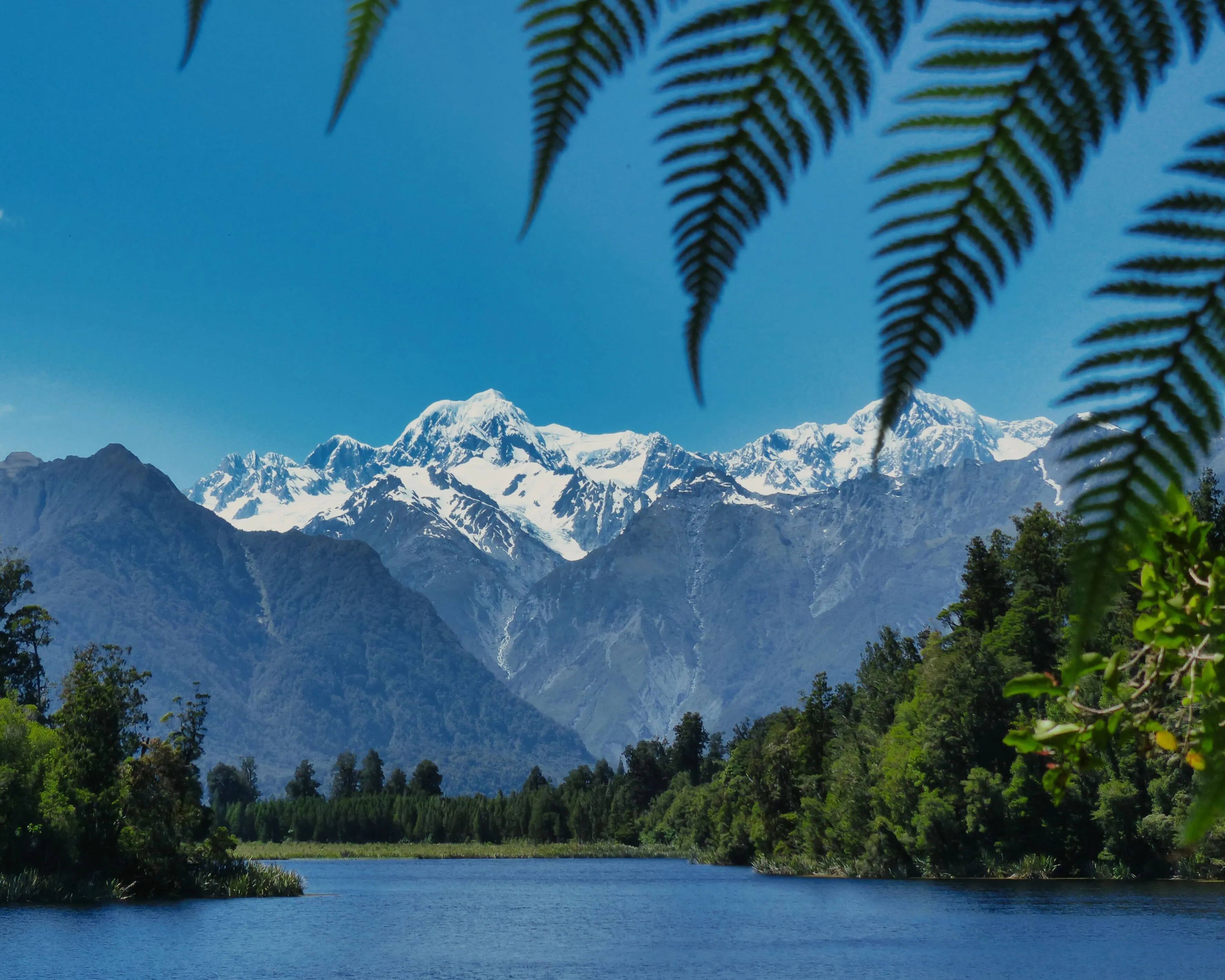
New Zealand sits alone in the South Pacific, roughly a nine-hour flight from Los Angeles, and that isolation has shaped a country of extraordinary calm: fjords, glaciers, geothermal valleys, and coastline within a few hours' drive of nearly anywhere you'd choose to live. It regularly ranks among the world's safest and least corrupt nations, with a culture that prizes fairness, plain speaking, and an outdoors-first way of life over status or spectacle. For Americans drawn to genuine distance from the pace of home, without sacrificing modern infrastructure, English-language ease, or reliable institutions, New Zealand offers a rare combination: remoteness as a feature, not a compromise.
Second Pass helps Americans reach New Zealand through the routes the country actually offers: the Active Investor Plus Visa for significant capital, the Skilled Migrant Category and Green List for in-demand professionals with a job offer, and citizenship by grant for those who build a qualifying period of residence. New Zealand does not offer citizenship by descent, so there's no ancestry shortcut here, but each of these pathways leads to permanent residence and, eventually, a New Zealand passport that permits dual citizenship with no renunciation required. Whether your route in is capital, a career, or time on the ground, the destination is the same slower, greener pace of life.
Ancestry
Citizenship by descent lets you inherit citizenship through a parent, grandparent, or (in some countries) an even earlier ancestor, without first establishing residency yourself.
Explore citizenship by Ancestry in other countries.New Zealand's Status
Golden Visas
A Golden Visa is a program where an investment in real estate, a government fund, a business, or a direct donation earns you a residency permit, the right to live in, and often travel visa-free around, the country. Citizenship isn't automatic, but can follow after meeting certain time and residency requirements.
Learn how Golden Visas work in other countries.New Zealand's Investment Pathway
- Growth category: NZD $5 million minimum, held for 36 months, with at least 21 days on-site during that period.
- Balanced category: NZD $10 million minimum, held for 60 months, with at least 105 days on-site (reducible with additional Growth-type investment).
- Permanent residence typically follows about 24 months after the visa is granted; citizenship by grant becomes available after 5 years of New Zealand residency.
Digital Nomad Visas
Digital nomad visas are government programs that let you live abroad while continuing your remote job back home, typically for six months to a few years, in exchange for proof of remote income and health insurance.
See which countries have a dedicated Digital Nomad Visa.New Zealand's Status
Other Options
For those without significant investment capital, New Zealand recruits skilled workers through three overlapping tracks, all requiring applicants to be 55 or under: Green List Tier-1, around 92 shortage occupations (doctors, nurses, engineers, ICT specialists) that qualify for permanent residence directly from a job offer with an accredited employer; Green List Tier-2, roughly 80 occupations including trades, that qualify for residence after 24 months of full-time New Zealand work; and the Skilled Migrant Category, a points-based route requiring an accredited employer, a wage of NZD $35/hour or more (NZD $52.50/hour for lower-skill-classified roles), and English proficiency.
New Zealand's Path to Citizenship
Establish your path to New Zealand.
Life as a New Zealand National
Life in New Zealand as a national blends small-country intimacy with strikingly high living standards: Auckland offers the country's largest job market and most diverse dining and arts scene, Wellington its compact, walkable capital with a renowned café culture, and Queenstown a mountain-and-lake basecamp built around adventure tourism and healthy living. Costs vary sharply by location. Auckland runs comparable to a mid-sized U.S. city for housing, while smaller South Island towns offer noticeably better value on rent and groceries, with excellent produce, dairy, and seafood a routine feature of daily life rather than a luxury.
New Zealand's public healthcare system, funded through general taxation, gives residents and citizens access to free or low-cost hospital care, with private insurance a common (and comparatively affordable) top-up for faster specialist access and elective procedures. Work culture leans notably relaxed by American standards: a standard 40-hour week, four weeks of statutory annual leave, and a broadly shared expectation that evenings and weekends belong to family, sport, or the outdoors rather than email. Many professionals describe the trade-off as lower salaries in exchange for meaningfully lower stress.
The outdoor lifestyle is not a marketing line, it's the default. Beaches, hiking trails, ski fields, and marine reserves sit within a short drive of most population centers, and a temperate, four-season climate (milder in the north, cooler and more alpine in the south) supports outdoor recreation nearly year-round. Public transport is solid in the main centers, but many residents keep a car for weekend trips, and New Zealand's isolation, once considered a drawback, has become one of its most valued features: a country a long way from anywhere, and increasingly popular because of it.