Poland
Poland is a nation shaped by an unwavering pursuit of freedom, from the solidarity movement that peacefully toppled communism to its current position as one of the EU's entrepreneurial powerhouses. This spirit of resilience translates into Poland's renowned startup ecosystem, where innovation thrives against a backdrop of surprisingly affordable living costs that have attracted a growing community of international professionals.
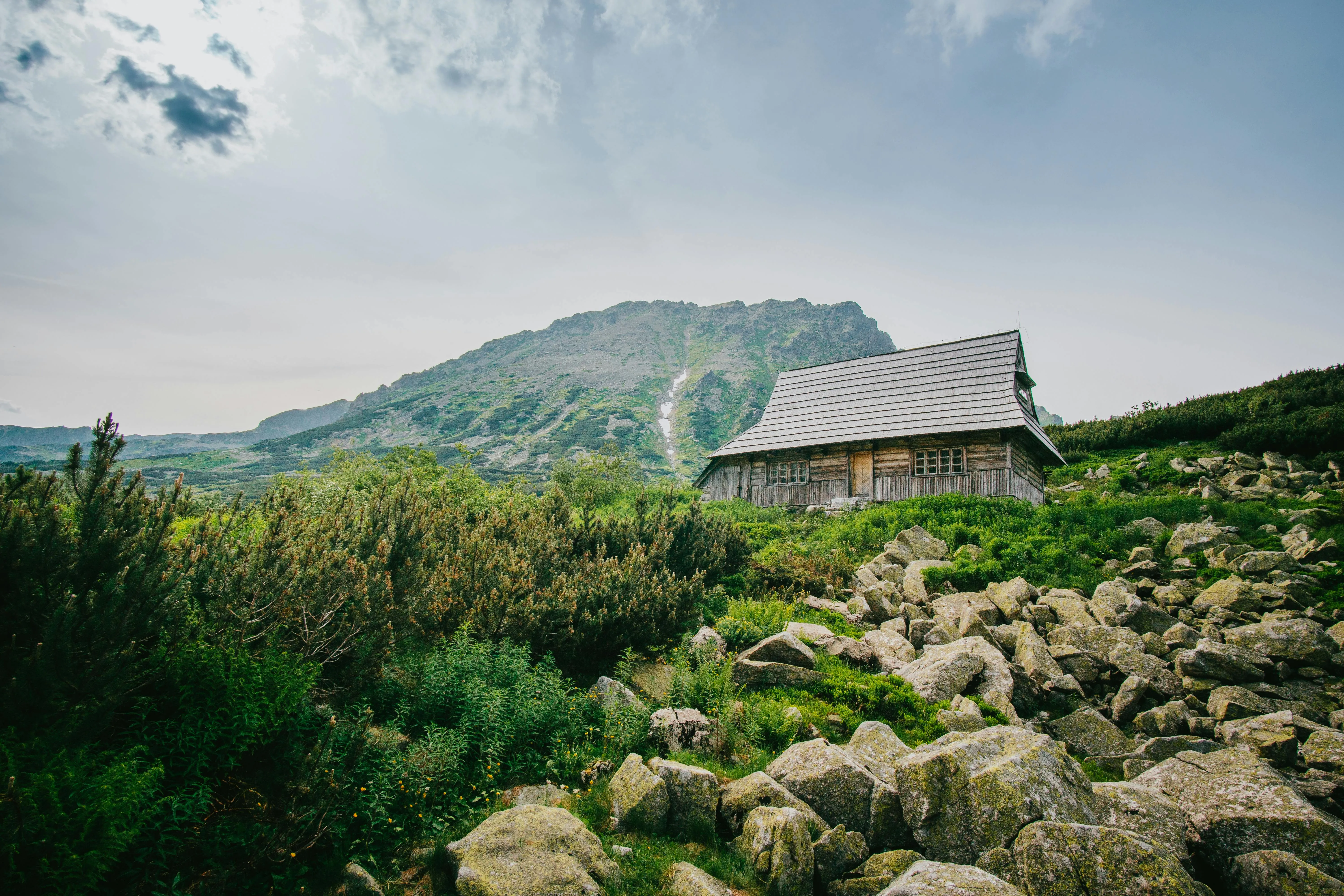
Poland offers a compelling cultural contrast, from centuries-old harvest festivals in rural Małopolska to tech conferences in Warsaw's revitalized factory districts. With the Tatra Mountains, Masurian Lake District, and the atmospheric Białowieża Forest all within easy reach, Poland reveals itself as Europe's undiscovered natural gem with breathing room rarely found elsewhere on the continent.
Ancestry
A parent, grandparent, or great-grandparent who was a Polish citizen can establish your qualifying connection.
Qualifying Relative
- Parent
- Grandparent
- Great-grandparent
Documentation Required
- Your ancestor must have been a Polish citizen who resided in Poland after January 20, 1920.
Special Cases
- Political exiles from 1939 to 1989 may have more flexible documentation requirements.
- Ancestors from former Polish territory now in Ukraine, Belarus, or Lithuania are still eligible.
- Some applicants already hold citizenship by descent and simply need confirmation.
Disqualifications
- Your Polish ancestor never resided in Poland after January 20, 1920.
- Formal renunciation of citizenship before your birth.
- Unauthorized military service or public office in a foreign country before 1951.
- Communist-era 1951 citizenship revocation.
- A serious criminal record or national security concern.
Golden Visas
A Golden Visa is a program where an investment in real estate, a government fund, a business, or a direct donation earns you a residency permit, the right to live in, and often travel visa-free around, the country. Citizenship isn't automatic, but can follow after meeting certain time and residency requirements.
Learn how Golden Visas work in other countries.Poland's Golden Visa
- Establishing a company employing at least 2 Polish citizens with stable profits.
- Property valued at a minimum €300,000.
- A minimum €300,000 investment in Polish government bonds.
- Creating at least 5 permanent jobs for Polish citizens.
Digital Nomad Visas
Digital nomad visas are government programs that let you live abroad while continuing your remote job back home, typically for six months to a few years, in exchange for proof of remote income and health insurance.
See which countries have a dedicated Digital Nomad Visa.Poland's Status
Other Options
For those without Polish ancestry, the EU Blue Card and Temporary Residence and Work Permit are the main routes to skilled-worker residency, leading to an EU Long-Term Resident permit in as little as 21 months for qualified Blue Card holders.
Path to Citizenship
Establish your path to Poland.
Life as a Polish National
Embracing life in Poland means experiencing a society that has undertaken one of Europe's most remarkable economic transformations. Housing options range from sleek, glass-walled apartments in Warsaw's business district to lovingly restored pre-war buildings in Gdańsk's historic center. Poland's cost of living runs 40 to 60% lower than in Western European capitals, allowing you to enjoy a spacious three-bedroom apartment in prime urban locations for what a studio might cost in Paris or London.
The Polish healthcare system operates on a two-tier model that combines comprehensive public coverage with affordable private options. For approximately $40 to 50 monthly, private healthcare packages provide quick access to specialists and English-speaking doctors, a practical choice for newcomers navigating their first years. Poland's educational system has earned international recognition for its strength in mathematics and sciences, with universities in Warsaw and Kraków regularly placing among Europe's top institutions.
Daily life reveals Poland's pragmatic innovation: cashless payments dominate even in small towns, high-speed internet reaches remote villages, and government services operate through straightforward digital platforms. This efficiency extends to public transportation, with modern trams and buses connecting city centers to suburbs, while the expanding network of high-speed rail links major cities with journey times continually decreasing.
For professionals, Poland's growing position as a European business services hub creates opportunities across sectors, with particularly strong demand in IT, finance, and logistics. Families appreciate Poland's strong focus on work-life balance, with 26 vacation days standard and generous parental leave policies, while retirees find their pensions stretch remarkably further, allowing for comfortable living in historic cities or peaceful countryside settings.